Maryland's Largest School District
MCPS integrates sustainability into every stage of constructing new schools and maintaining existing buildings.
8301 Turkey Thicket Drive
Building A, First Floor
Gaithersburg, MD 20879
To schedule a
school outreach visit:
Sustainability Outreach Request Form
For questions or to report a sustainability concern:
240-740-3210
Sustainability@mcpsmd.org
MCPS is the largest energy and utility consumer in the county's public sector, spending over $42 million on electricity in 2025 alone.
Daily actions like turning off lights, leaving HVAC systems at their set points, and reducing plug loads are critical to cutting energy costs and reducing greenhouse gas emissions.
To learn more, or for questions about your school’s energy usage, please email sustainability@mcpsmd.org
MCPS partnered with two energy savings companies to implement energy conservation measures (ECMs) across 50 schools. These projects were completed in the first quarter of 2026 and focused on lowering energy bills and environmental impact. Among other measures, upgrades or modifications included:
See which green features are installed at your school:
Renewable Energy Credits (RECs) allow MCPS to offset carbon emissions by supporting clean energy generated from wind and solar power.
MCPS has purchased clean REC’s since 2005. As of 2021, 38 percent of all electricity purchased by MCPS comes from renewable energy sources.

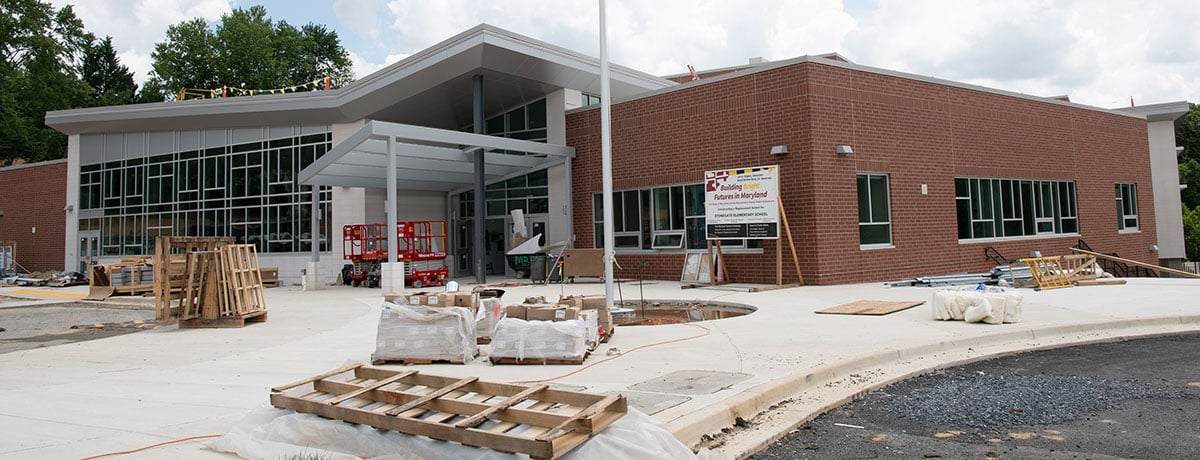
Leadership in Energy and Environmental Design (LEED) is a globally recognized rating system for healthy, high-efficiency and cost-saving green buildings.
As of 2026, 37 MCPS school buildings are LEED certified:
Green Globes Building Certification by the Green Building Initiative is “a science-based whole building certification system that evaluates the environmental sustainability, health & wellness, and resilience of buildings”.
MCPS has 12 Green Globe buildings.

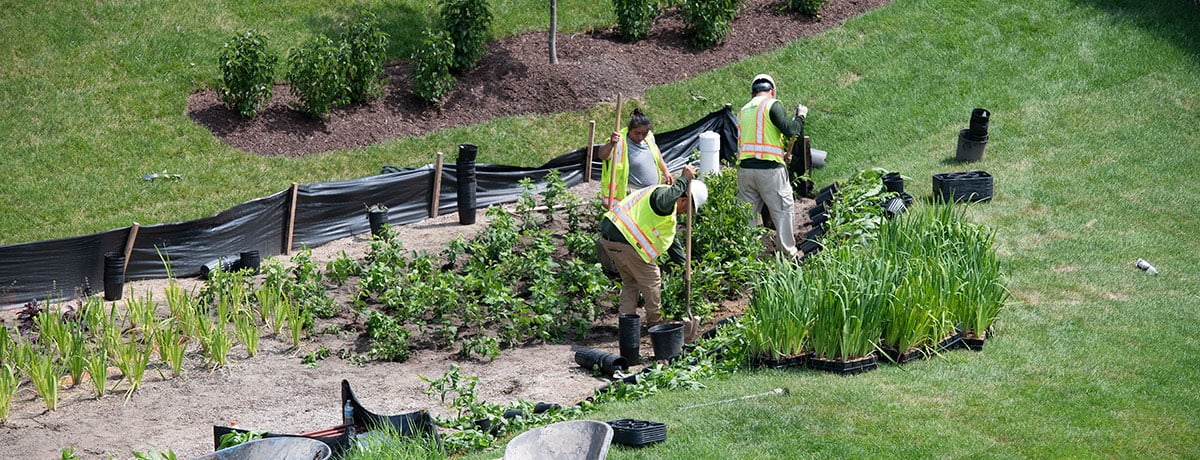
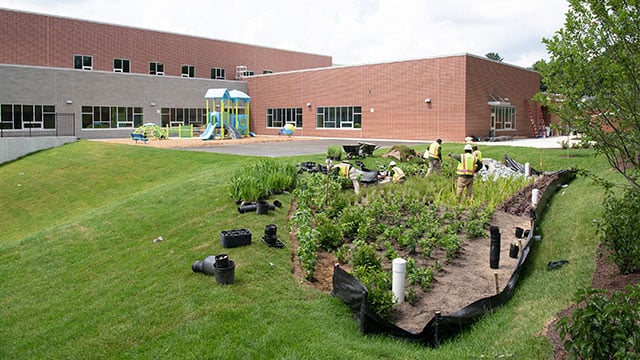
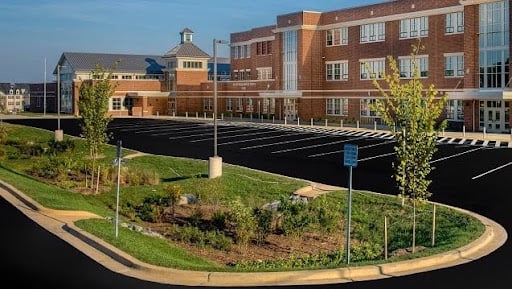
feature bioretention systems (as of 2023)
have full or partial green roofs to capture rainwater runoff (as of 2023)
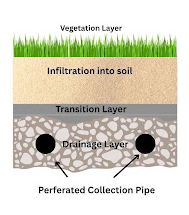
MCPS uses bioretention practices, such as rain gardens, to manage stormwater runoff from roofs, driveways, sidewalks, parking lots and compacted lawns. Bioretention practices are shallow, landscaped depressions designed to collect stormwater and filter it through layers of soil, sand, and gravel.
This process mimics natural ecosystems by providing water directly to plants, recharging local groundwater supplies, and removing pollutants through filtration and plant uptake. Together these steps slow down stormwater and reduce peak flows within downstream sewer systems (Source: U.S. EPA).
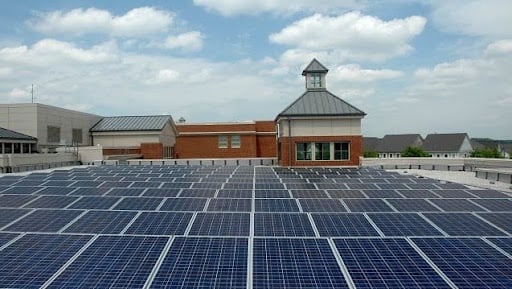
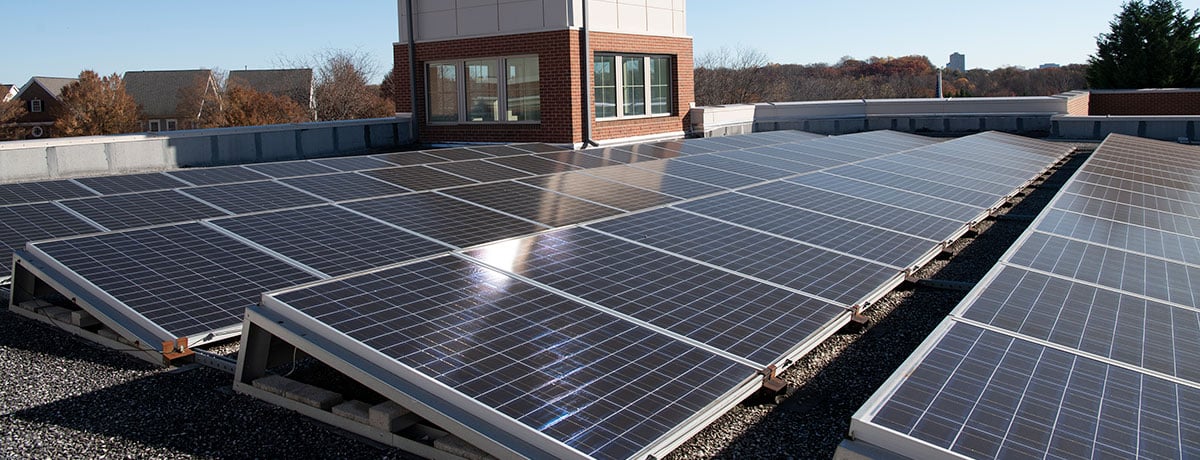
As of 2025, MCPS has 26 rooftop solar installations with a total estimated capacity of 6.77 megawatts (MW). In addition to onsite solar installations, MCPS receives solar power from two offsite solar farms, Hall and Claggett.
Geothermal technology harnesses the Earth’s natural heat. The ground just a few feet below the surface maintains a near-constant temperature, unlike the seasonal hot and cold extremes of outdoor air. Farther below the surface, temperatures rise about 1°F for every 70 feet in depth. (Source: EPA).
Learn more about geothermal heating and cooling technologies from the U.S. Department of Energy.
