One Student, 800,000 Voices: A Chat with Lorena Wu, Maryland’s Next State SMOB
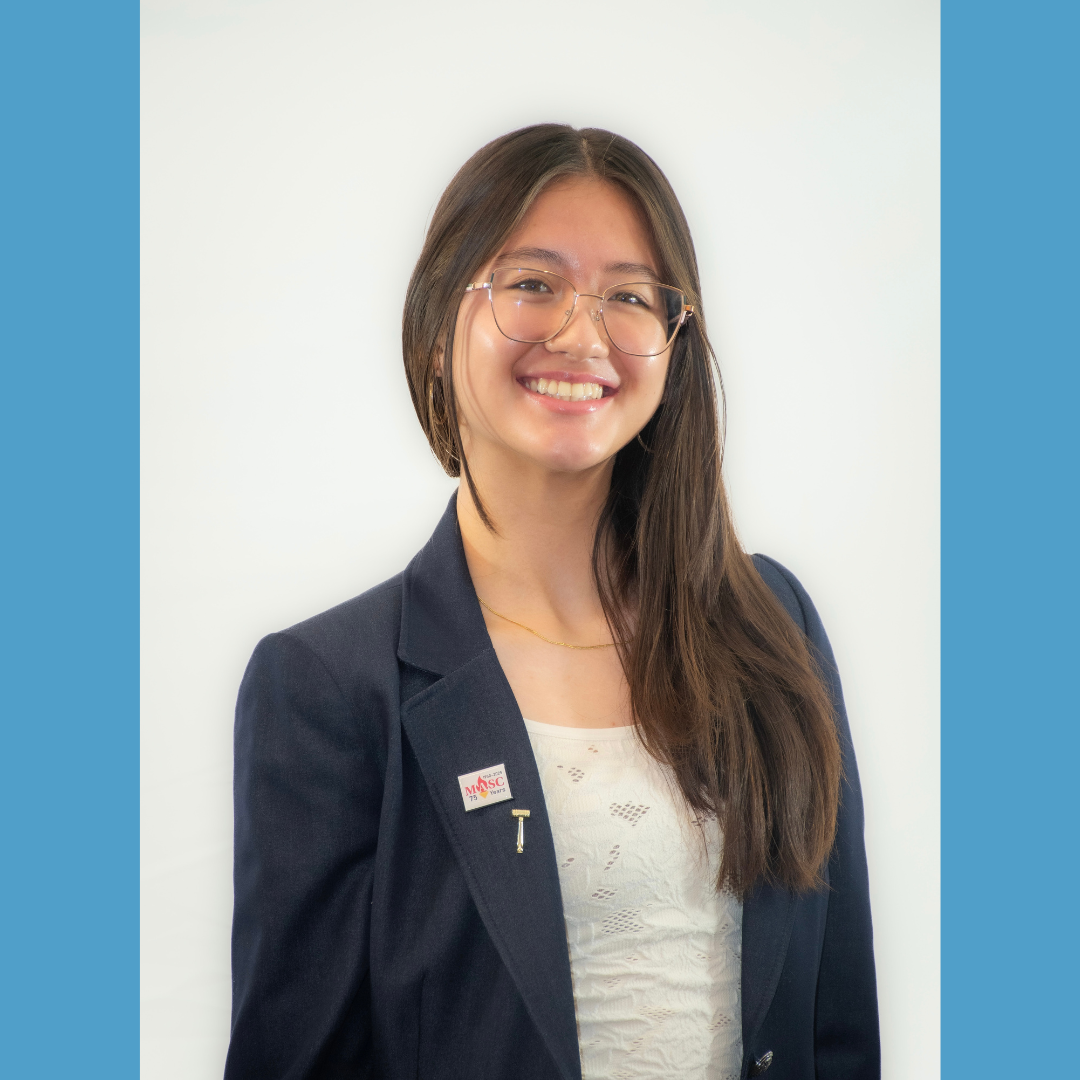
Lorena Wu, a sophomore at Poolesville High School, was recently picked by Governor Wes Moore to be the next Maryland Student Member of the Board (SMOB) for the 2026–2027 school year.
Lorena’s path to the state board started this past January, when student leaders from all over Maryland voted for her as a top finalist. This appointment means an MCPS student will have a seat at the table, and represent the Maryland student voice, where the biggest decisions for all Maryland schools are made.
As she gets ready to start her new role this July, Lorena shared her top goals for the year and told us how she went from an interested middle schooler to a state leader.
Q: You first learned about the SMOB role as a middle schooler. What was it about that moment that inspired you to pursue this level of leadership?
Lorena Wu: I first learned about the MCPS SMOB in sixth-grade history class while watching the "Meet the Finalists" video, but I didn't realize a State SMOB existed until I joined the Maryland Association of Student Councils in seventh grade. Learning that a student sits on the State Board of Education, representing over 800,000 secondary students with the same voice as adult members, was a revelation. As the daughter of two public servants, I was immediately drawn to that mission of service. Beyond the formal duties, I was captivated by how the role brings together students from across the state. After interacting with the State SMOB in eighth grade, I realized that serving as a conduit for youth voices is the most vital aspect of the job.
Q: You’ve been heavily involved in advocacy, including serving as Co-President of Eco MoCo. How has that local work prepared you for the State Board?
Wu: My six-year advocacy journey has definitely strengthened my leadership skills. At Eco MoCo, I learned to manage a team of over 100 student members and maintain partnerships with other organizations. Serving as the Historian of the Maryland Youth Advisory Council allowed me to collaborate with youth statewide on projects like managing grant funding. My time with the MCPS SMOB Advisory Council and the Montgomery County Regional Student Government Association (SGA) also deepened my understanding of policy and how to engage with policymakers. Most importantly, I’ve seen firsthand the impact students can have on the issues they care about. I want to empower students statewide to bring their own voices to the decision-making table.
Q: What are the three most pressing issues you hope to address during your term?
Wu: While Maryland has a strong system, students still face significant hurdles. My top three priorities are the drug epidemic, the educational opportunity gap and infrastructure deficits. I plan to address the root causes of the drug epidemic by tackling mental health concerns through expanded access to digital mental health tools. To close the opportunity gap, I want to build on the work of previous SMOBs by better supporting English Language Development learners through integration into critical discussions. I also aim to improve English Language Arts and Math outcomes through structured mentorship and remedial learning programs. Finally, I believe we must prioritize rebuilding schools with the greatest infrastructure needs while ensuring sustainability through initiatives like share tables and recycling programs.
Q: How do you plan to stay connected with students from Maryland’s 24 diverse counties?
Wu: I am just one of 800,000 students, so I carry a big responsibility to bring those perspectives into the boardroom. I have three main plans: first, I’ll publish an anonymous suggestion survey to collect input from every corner of the state. Second, I plan to build on the work of our current State SMOB by expanding the Advisory Council, a group I already serve on, to help more students stay connected with the Board. Finally, I aim to visit every county in Maryland during my term, conducting school visits alongside local SMOBs to gain a tangible understanding of the challenges students are facing.
Q: How are you preparing for the transition from high school student to state-level official?
Wu: I actually don't see it as a transition away from being a student, but rather an extension of it. This role is about serving students by being a student. While I’ll prepare by meeting with fellow Board members and the current State SMOB, I will continue my own education and keep having those ongoing discussions with my peers.
Q: What advice do you have for other MCPS students who want to get involved in advocacy but aren't sure where to start?
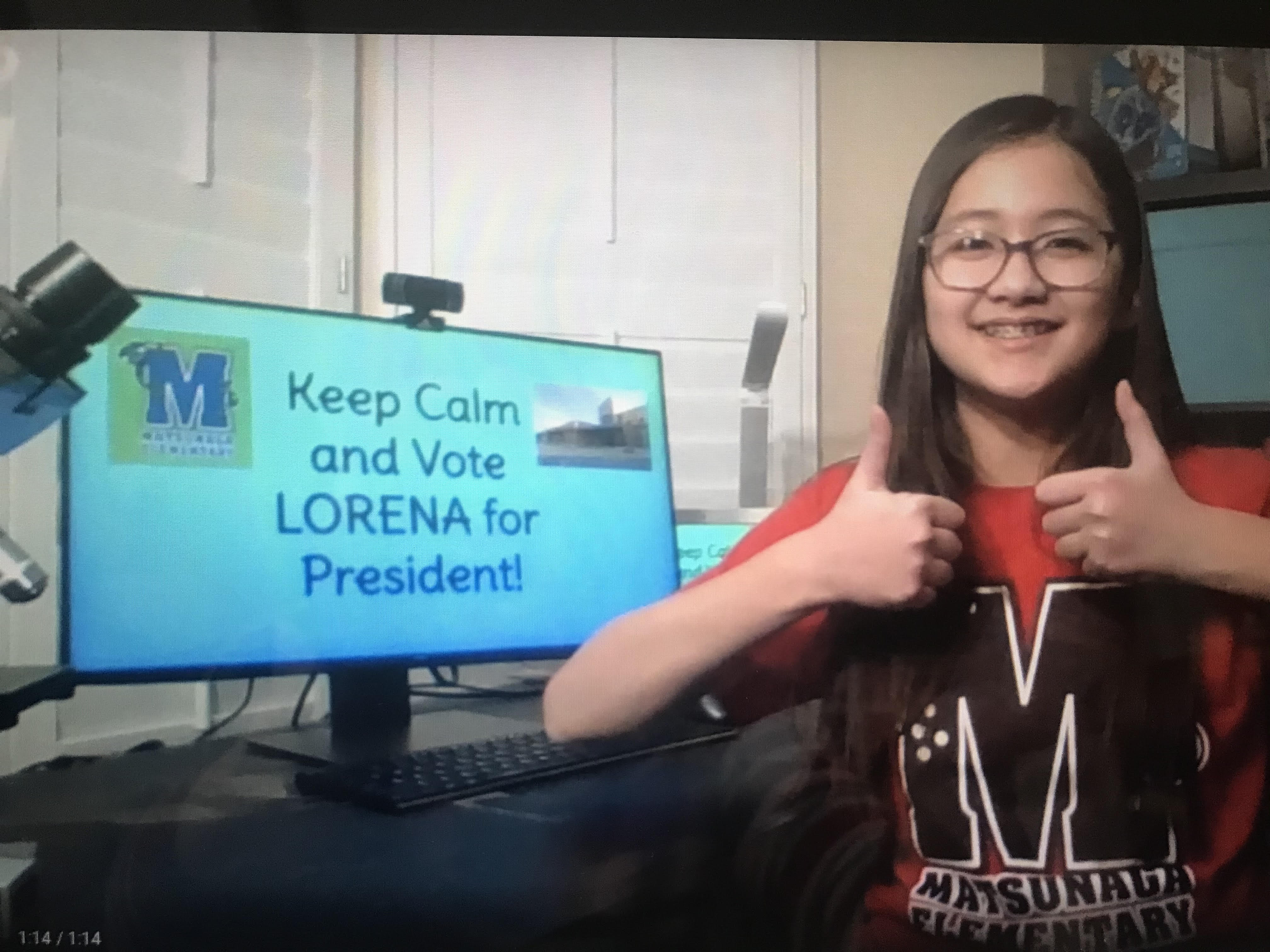
Wu: I often felt uncertain about my own advocacy journey in middle school. The best advice I can give is simply to take the leap. If I hadn't run for elementary school SGA president in fifth grade, I never would have discovered student advocacy. If I hadn't taken the risk to campaign for Eco MoCo, I wouldn't have met so many amazing leaders. If I had let my doubts win, I never would have applied to run for State SMOB and would not be where I am today.