
Mentorship for Life: Building Skills Beyond the Classroom at Benjamin Banneker Middle School
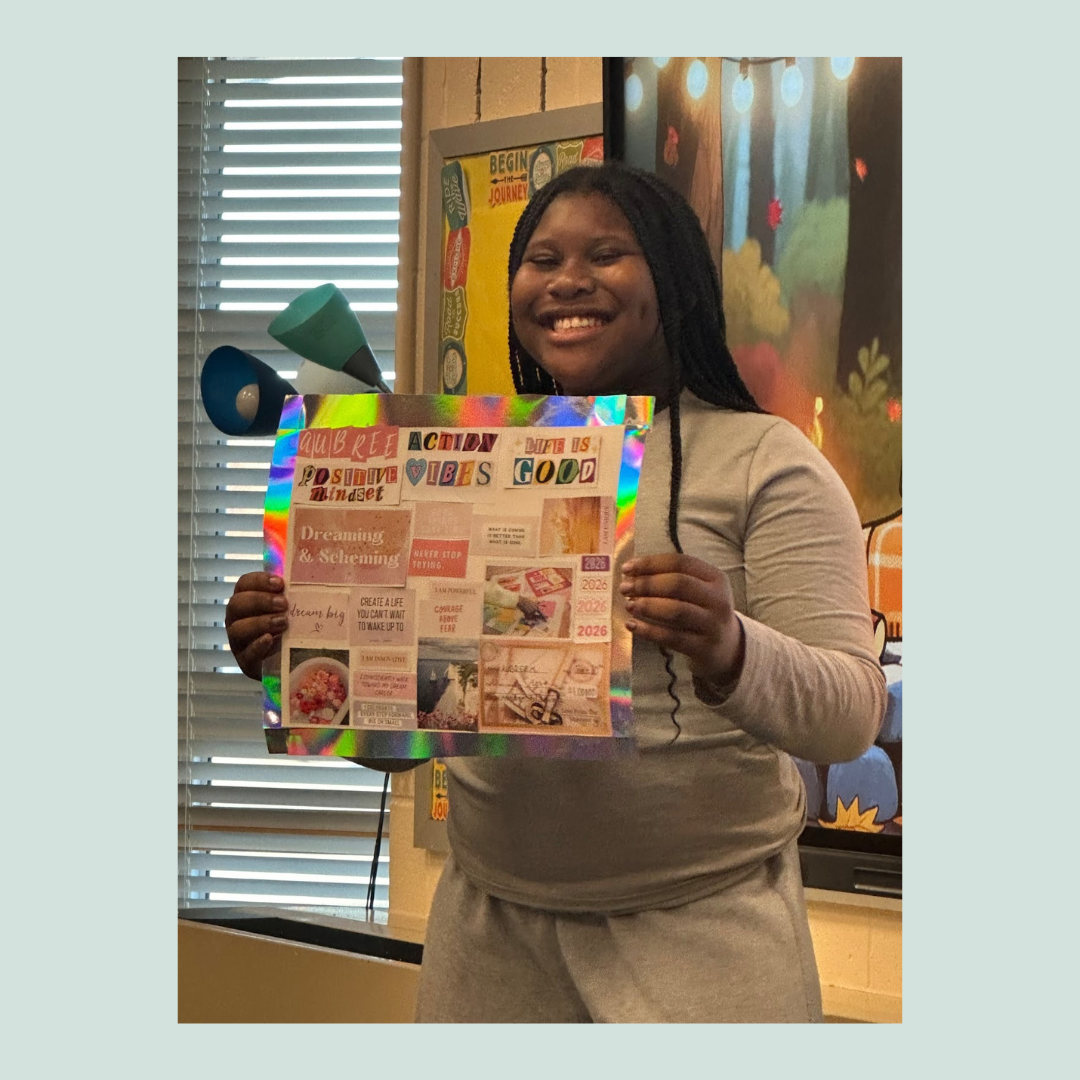
January is National Mentoring Month, a time to celebrate long-standing programs such as Goal Setting Girls and Boys 2 Men at Benjamin Banneker Middle School. These programs provide students opportunities to build confidence and connections with their peers.
“Goal Setting Girls is more than a club,” said Nasser Muhammad, assistant principal at Banneker. “It is a safe space for growth, healing and leadership development.”
Founded in 2014, Goal Setting Girls allows students to participate in a mix of interactive, reflective and hands-on activities, such as goal setting and vision boards to group discussions, leadership challenges and development. The program also emphasizes community, consistency and care, helping girls build trusting relationships with peers and facilitators while strengthening their sense of belonging. Led by Kahlil Kuykendall, MCPS mindfulness educator and executive director of the Center for Educational Improvement, the program centers on student voice and authenticity while teaching practical tools to use in school and daily life.
“Goal Setting Girls helped me believe in myself more,” said one student. “I learned how to calm down when I’m stressed and how to make goals instead of giving up.”
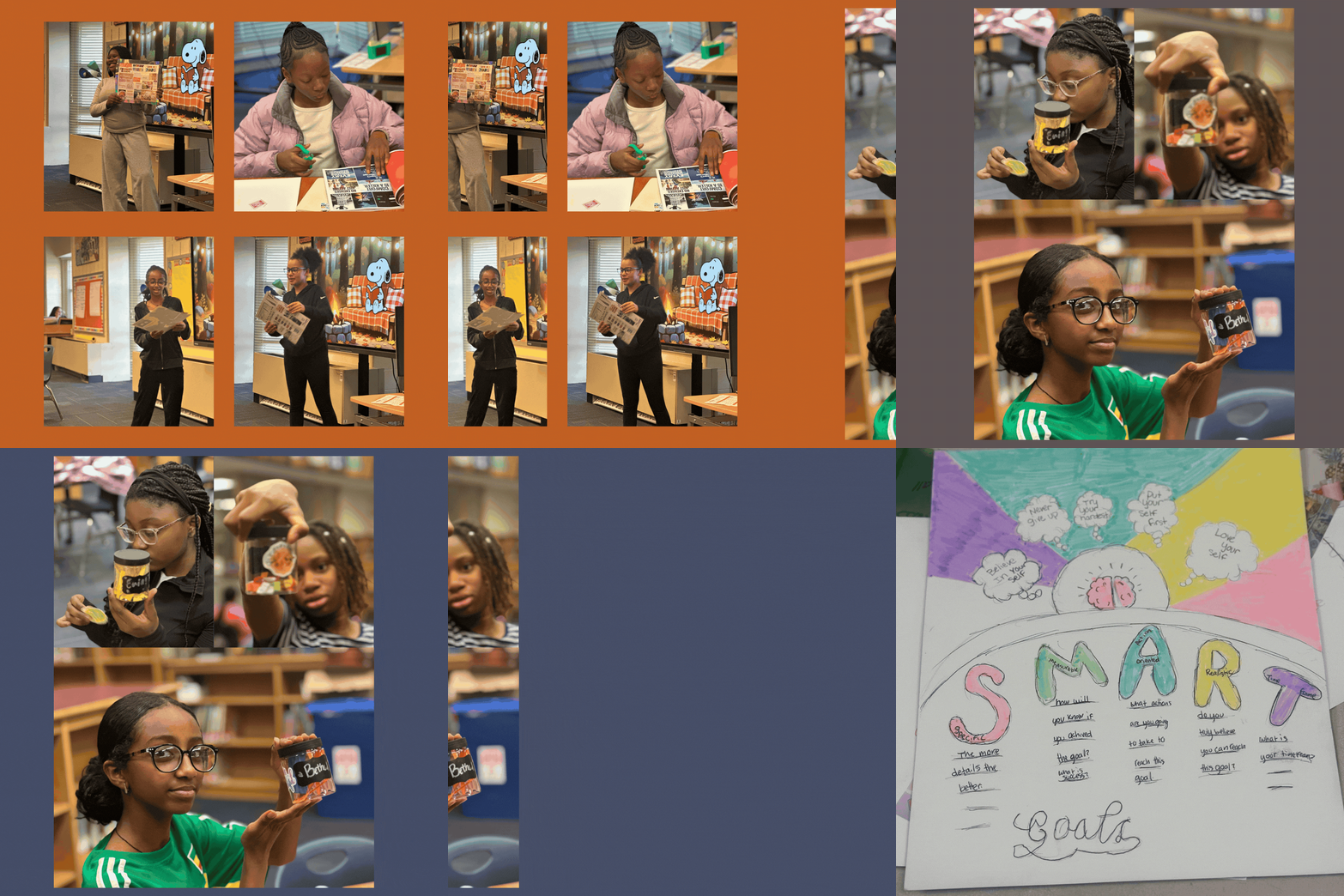
Also established in 2014, Boys 2 Men takes a relationship-centered approach that meets students where they are by blending mentorship, structure and fun.
“Boys 2 Men helps me learn how to control myself, do better in school and be more respectful,” said one participant.
Led by school wellness trainer Nigel Duberry and community mentor Joseph Hooks, the program allows students to have academic check-ins, team building exercises and group conversations, all while developing emotional regulation, accountability, leadership skills and stronger connections to school.
“The Boys 2 Men program supports mentoring by using trauma-informed motivational coaching,” Muhammad said. “By combining physical fitness with guided discussions on wellness and character building, it helps students develop the emotional regulation needed to succeed in the classroom.”

By building trust, encouraging personal growth and creating supportive spaces, the programs help students become confident learners and leaders.