
Celebrating Inclusive Schools Week: Q&A with Snowden Farm Elementary School
December 8–12 is Inclusive Schools Week. During this week, we celebrate the schools, educators, students and families who work every day to ensure that all students feel welcomed, supported and valued. Inclusive Schools Week highlights the importance of creating learning environments where every student has the opportunities and access needed to thrive.
To mark the week, several schools participated in a short Q&A about what inclusion looks like on their campuses. Each school responded to the same set of questions, offering a glimpse into the practices, partnerships and commitments that help foster belonging and strengthen their school communities.
What does an inclusive school community look or feel like at your building?
At Snowden Farm, an inclusive school is one where no student feels that they ‘stick out’ in a negative way for anything that is a part of who they are. Last year in our student focus lunch bunch groups, a student with a physical disability commented “Everyone respects my difference here” when asked about if they like coming to Snowden Farm.
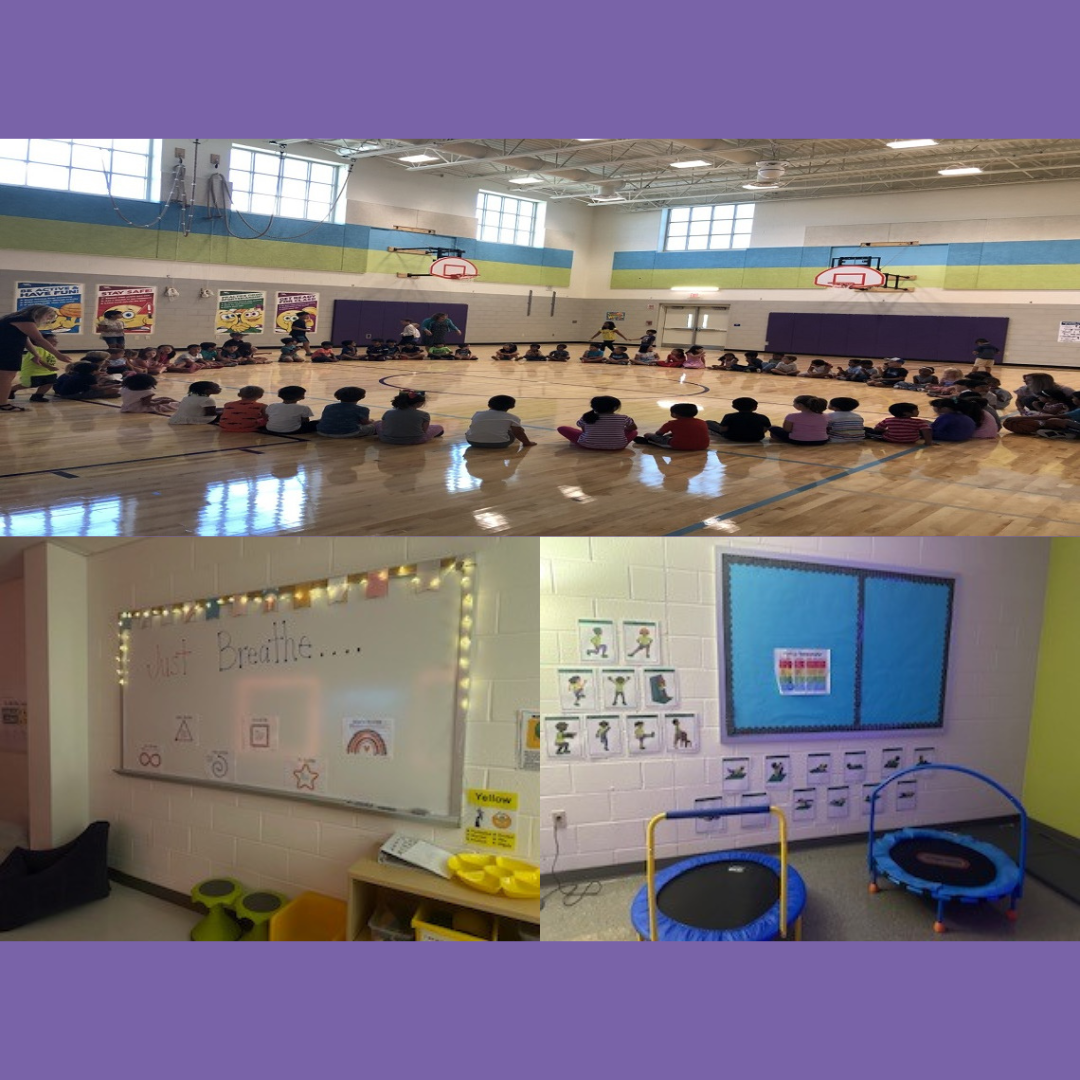
Within our building, there are students who receive services through Elementary Home School Model Services, Social Emotional Special Education Services (SESES) and the Comprehensive Autism Preschool Program programs (in addition to English Language Development and 504 services). We have monthly Stallion Meet-ups where we review our school expectations, sing our school song, spotlight cultural diversity and recognize students who are displaying our school wide expectations of being Safe, Synergic and Studious. We encourage all students to see EVERY student in the building as an equal member of our community.
What inclusive practices or programs are you most proud of?
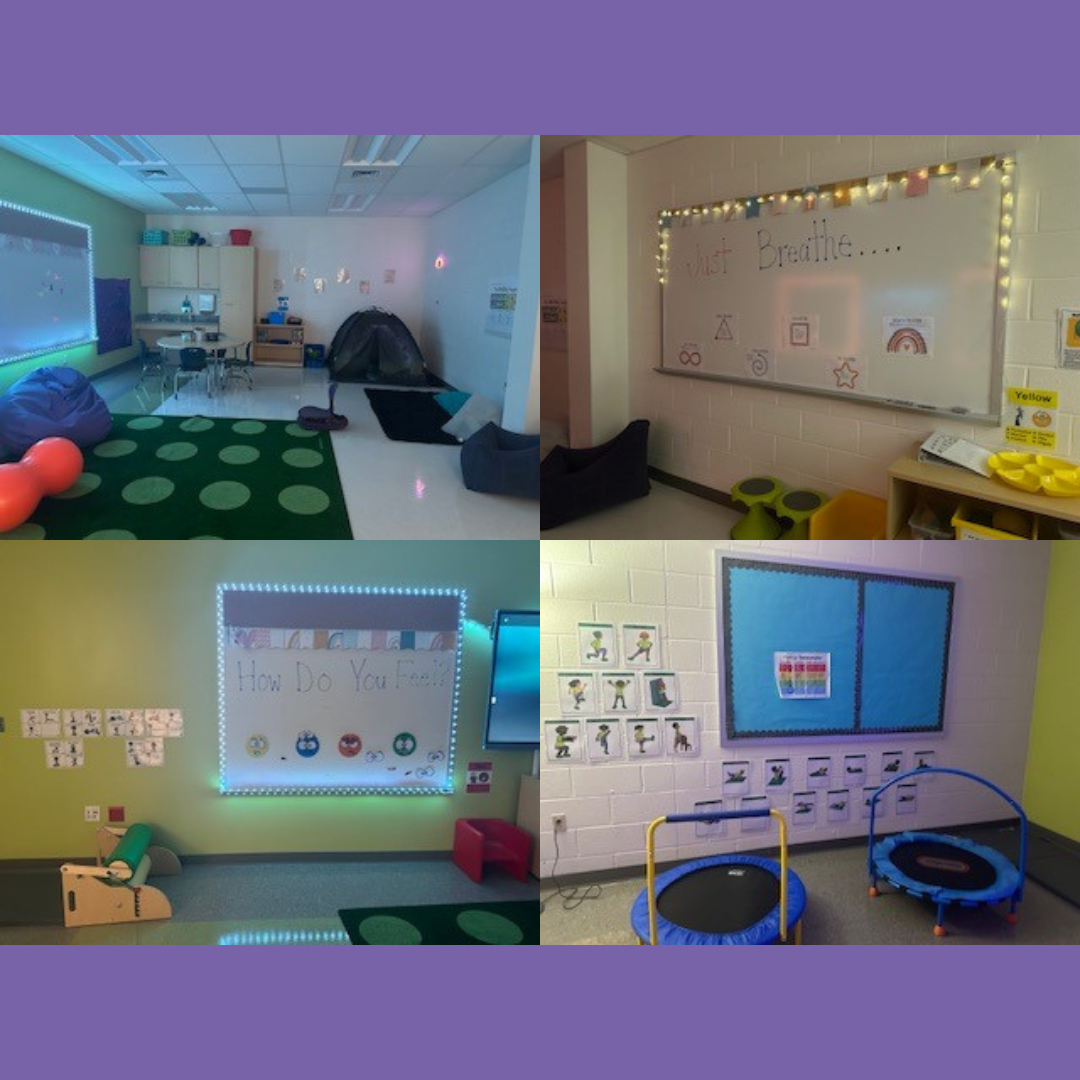
We focus on creating safe, supportive spaces within the building—places where students can run to for help, connection and regulation. By prioritizing students’ social-emotional and basic needs first, we ensure they are in a ready-to-learn state before academic expectations are presented. We regularly teach the zones of regulation and use the language when addressing big emotions or behaviors.
Our building has several spaces for students to access when they feel dysregulated and/or need space to take a break. These include: a sensory room that has different tools for students to access such as chairs that spin, individual trampolines, fidget tools, etc.; an outdoor courtyard for individual or whole class breaks; designated calming corners or space with coping tools; and the SESES program has a reset room with soft cushions and tools to support students who may need a break.
We are especially proud of our use of specially designed instruction, meaningful accommodations and hands-on learning opportunities that make academic content more accessible and engaging. Programs such as STEM, art and adaptive sports allow students to build confidence, deepen engagement, and develop a more positive relationship with learning. In collaboration with the MCPS Science department, we have STEM activities for the SESES students to do during break times.
What is one thing your school does consistently to make all students feel welcome?
We strive to make all students feel welcomed through consistent presence, connection and predictability. It begins when our doors open in the morning, staff are outside to welcome and greet students and their families.
We host daily class meetings so that every student has a voice and has a space to be heard and student surveys throughout the year help identify students who are reporting low satisfaction with school, as well as determine next steps for staff.
Students are celebrated in many ways—through cultural month activities, Stallion awards at Meet-Ups and recognition for making positive choices in class or the hall. Staff also build strong relationships by spending quality time with students, establishing clear and supportive boundaries and showing up both inside and outside the classroom, including at extracurricular activities. These connections help students feel cared for and connected to the school community.
How do you involve families, staff or students in your inclusion efforts?
Through transparency, collaboration and shared learning, we strengthen the inclusive culture across our school community. Families are invited into the building for community and evening events, as well as opportunities to engage directly with classroom curriculum. They also have access to support for food, clothing, community resources and holiday giving. Our Connections with Caregivers series highlights the various programs available throughout the building to support all students.
Students are engaged by encouraging older students to nominate peers for Stallion or Patrol awards based on their observations of positive behaviors and contributions. Families and staff are further involved through active education about our services and inclusive practices, including brochures, PTA meetings and ongoing communication. Staff collaboration occurs through work groups and think tanks, and everyone contributes to schoolwide social-emotional learning initiatives. During pre-service and professional development sessions, we provide guidance on what specially designed instruction and programs look like in practice, ensuring that all members of our community have a shared understanding of how we support students.