Maryland's Largest School District
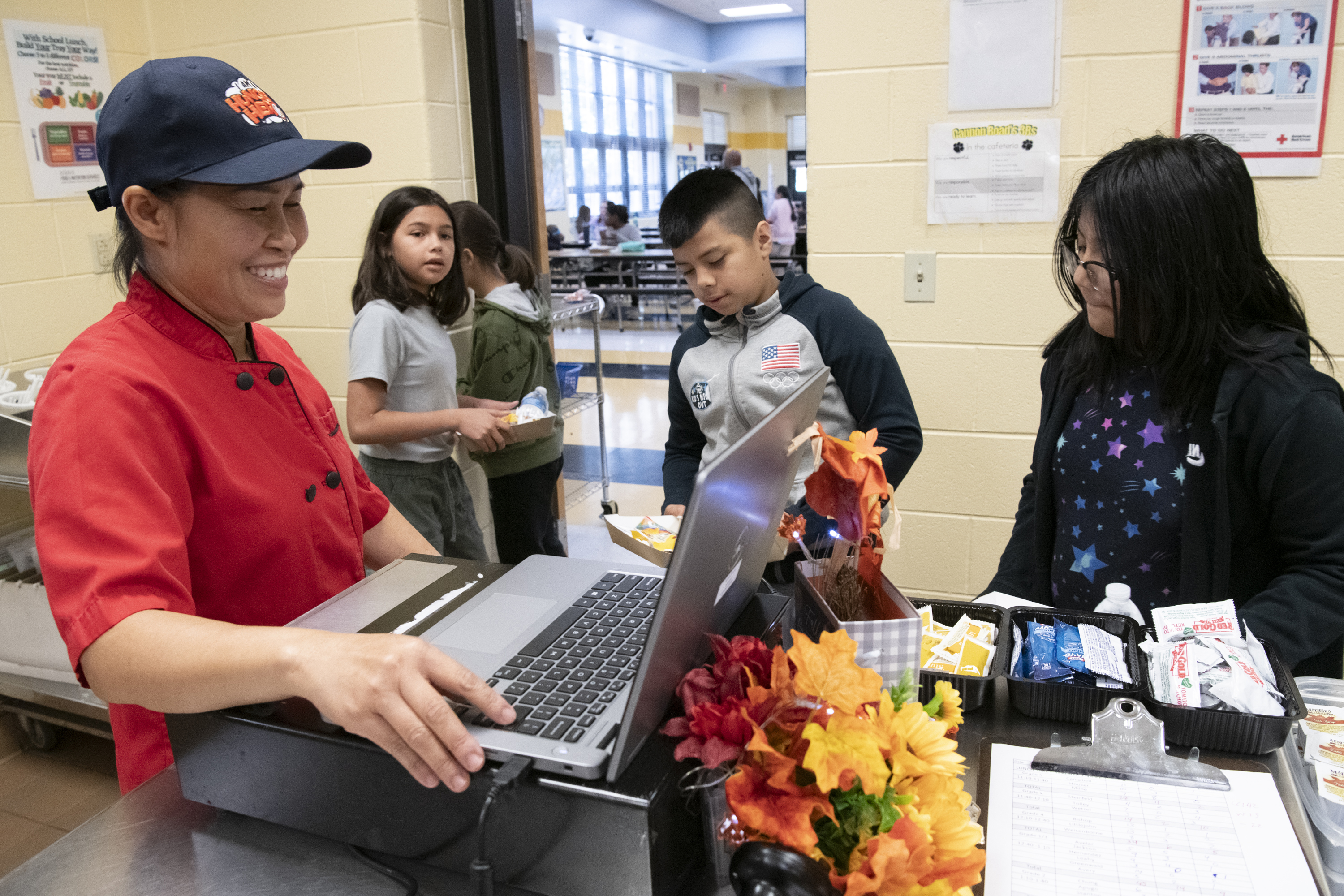
Great customer service goes above and beyond what is reasonable to make students, families, colleagues, and community partners feel seen, valued, and cared for.
We know great customer service isn’t always easy. Schools and offices are fast-paced. Staff are often short on time. Families may be frustrated, worried, or speak a different language.
We created the Customer Service Toolkit to support you during everyday interactions as well as to handle more complex or challenging moments.
Learn how to use the Customer Service Toolkit to improve family engagement and customer service practices. Work collaboratively with your team to assess current systems, build customer service skills through self-paced learning, apply practical tools and resources to address challenges, and access support when needed.
Complete the toolkit at your own pace and keep helpful resources readily available for quick reference during everyday interactions and more complex situations.
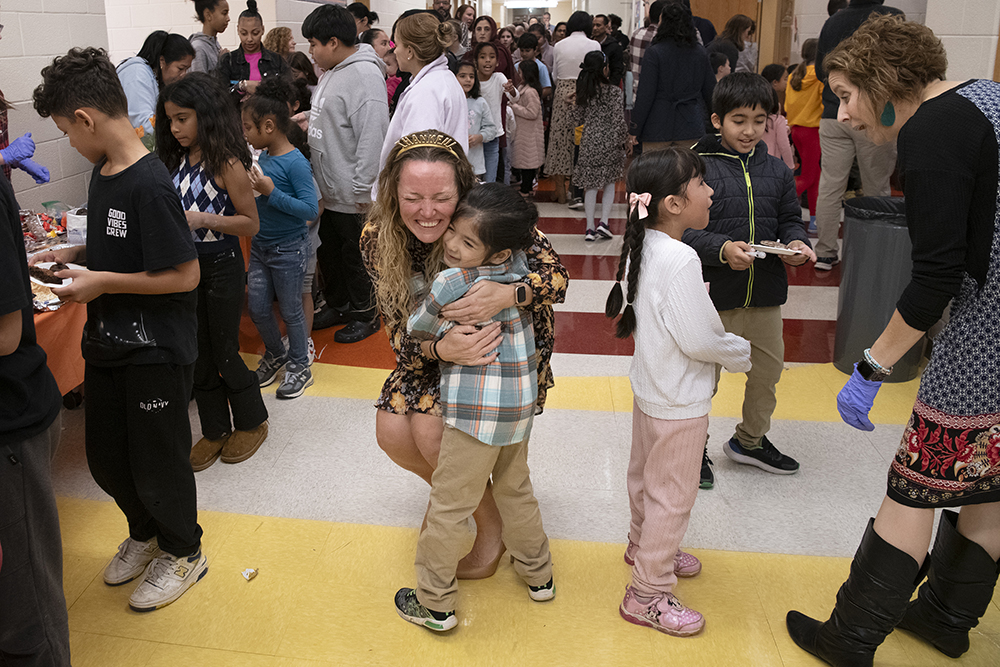
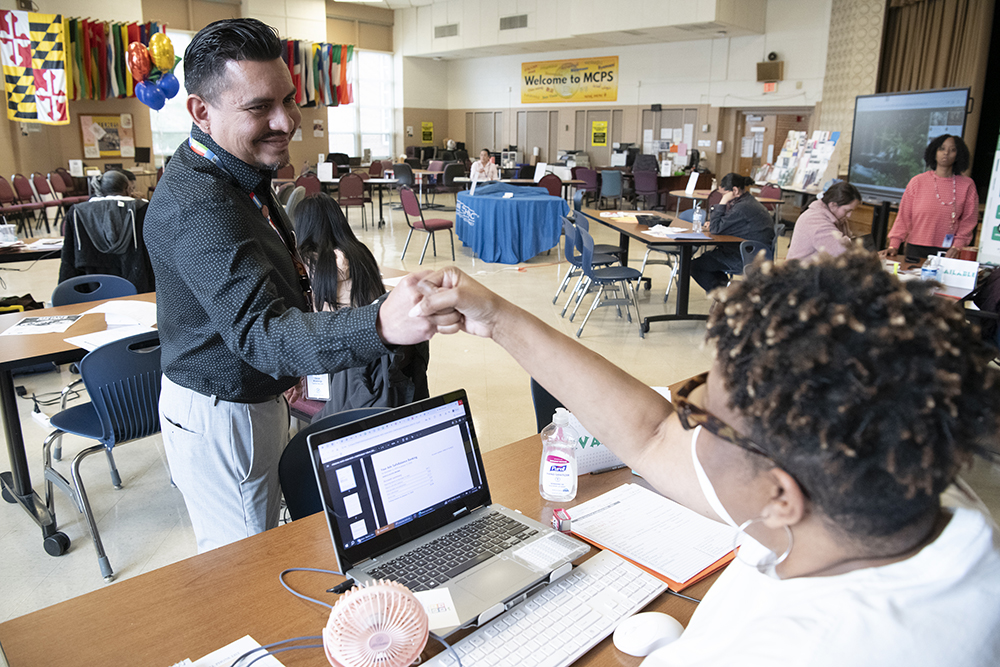
Planning for great customer service begins with identifying the needs of families, assessing current practices, and creating systems that promote clear communication, accessibility, and responsiveness. By understanding the difference between technical and adaptive challenges, evaluating existing strengths and gaps, and developing targeted action plans, schools and offices can create a welcoming environment where all families feel supported, informed, respected, and valued.
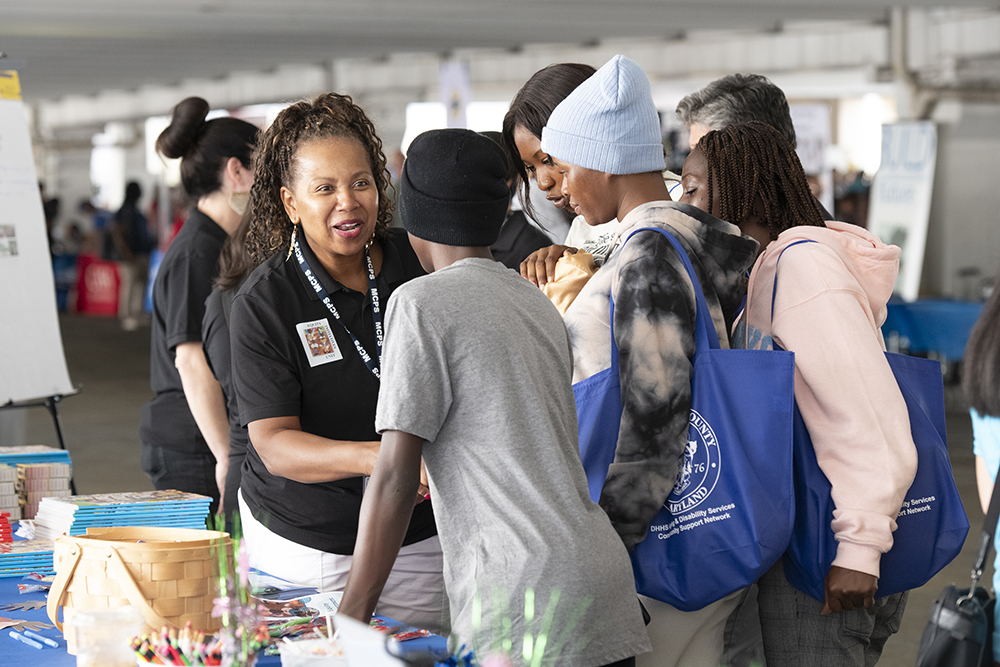
Develop the skills and confidence to communicate effectively, navigate challenging situations, and provide exceptional support to every family.
Explore common challenges (such as communication barriers, difficult conversations, emotional interactions, language differences, and customer service concerns) you may encounter and learn practical strategies for responding with professionalism, empathy, and confidence.