

Community School Staff Roles
COMMUNITY SCHOOL LIAISON (CSL)
Mrs. Genesis Vaughn-Smith
Genesis_D_Vaughn-Smith@mcpsmd.org
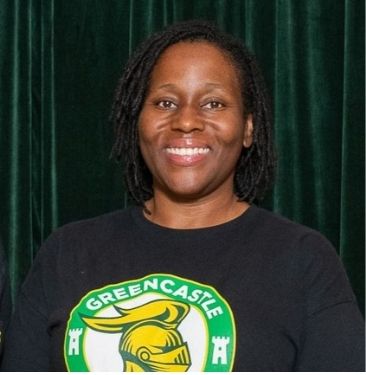

Community schools provide a variety of wraparound services tailored to meet the needs of the students, families, and communities. Under the direction of the Coordinator of Community Schools, in collaboration with the elementary school principal, the Community School Liaison will plan and provide overall comprehensive support for the designated Community School. This position will be a part of the school's leadership and support teams. The Community School Liaison will work with the school's leadership team, school staff, community agencies, parents and other relevant stakeholders to develop a comprehensive needs assessment for the schools and strategic plan to support the community school focus of wrap-around services for students including (but not limited to): extended learning for students in out-of-school time opportunities, expansion of school-based health and wellness services for students, expansion of family engagement and support services for families, supports/programs to improve student attendance and training for school staff and community partners to successfully meet the community schools mission and vision. This position will work in a collaborative partnership between MCPS and MCEA. The Community School Liaison will meet the commitment to students by serving as an advocate, a role model, and a supporter of diversity (e.g., race, ethnicity, gender, developmental differences, learning styles, and exceptionalities). This position will be evaluated by the school principals in coordination with the central office Coordinator of Community Schools.
PARENT COMMUNITY COORDINATOR (PCC)
Ms. Yanira Gaitan
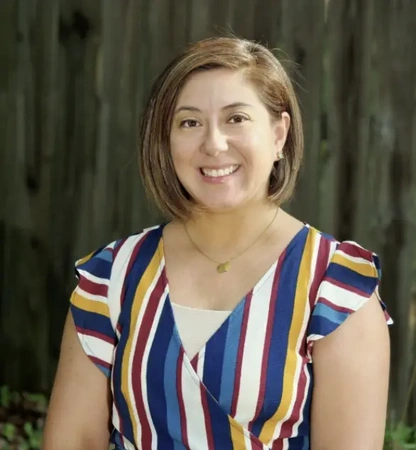
A Parent Community Coordinator helps build and strengthen positive relationships with families and work collaboratively with school leaders, staff, and community organizations to develop and implement family engagement activities. They support families by guiding them through the school system, helping to build their ability to advocate for their student’s academic success, especially those who may be facing language, cultural or economic barriers. The PCCs are a diverse team of professionals located in school communities most highly impacted by poverty.
While all schools provide support to students, community schools work in collaboration with community partners, local governments, and other stakeholders to provide wraparound services that address barriers to learning and success.
Community schools leverage the power of neighborhoods through assets-based approaches that strengthen the connections between home, school, and communities and create change for the people that they serve.
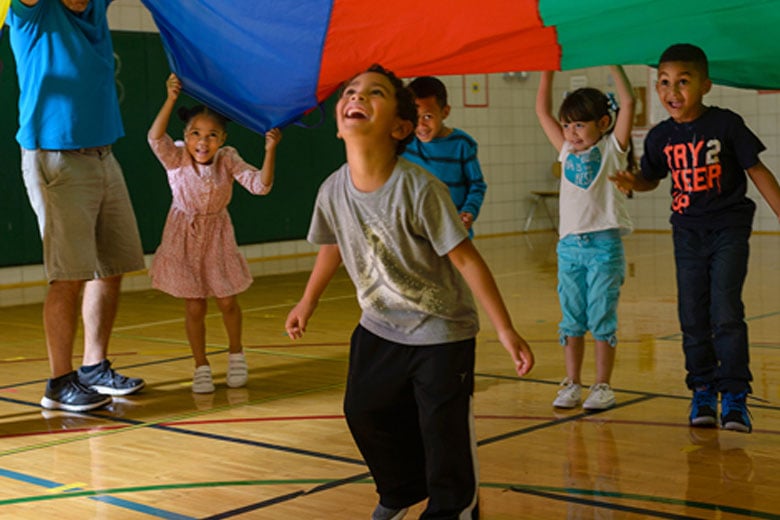
MCPS Community Schools serve as hubs that provide students, families, and communities with needed wraparound services. We provide equitable services and outcomes to students, families, and communities.
Community Schools will provide the health, mental health, academic, and extracurricular support services needed to flourish. We focus on family and community engagement, culturally responsive relationship building, mental and emotional health, trauma informed practices, restorative practices, and physical health and wellness in addition to MCPS’ quality instruction. Our goal is to promote equity while prioritizing the critical needs of students and caregivers urgent to their wellbeing.
Community Partners
- Provide Comprehensive Services
(health, mental health, social services, community education/development) - Link Families to Existing Resources
- Provide Culturally and Linguistically Appropriate Supports
- Support Families at All Levels from Prenatal through High School
Partners
CONTACT
Ms. Hope L. McGuire
Interim Community Schools Coordinator Well-Being, Learning, & Achievement
Phone: 240-740-5692
Email: Hope_L_McGuire@mcpsmd.org
Twitter: @CSconnect_MCPS
What is the history of Maryland's commitment to community schools?
Community schools have been present in some of Maryland’s local school systems for more than 25 years.
Prior to The Blueprint for Maryland’s Future, both Baltimore City and Montgomery County had established community schools. A 2016 evaluation of Baltimore City’s community school strategy found that community schools had higher rates of daily attendance in elementary and middle schools and decreased rates of chronic absenteeism in community schools that had been established for five or more years. Additionally, families of students attending community schools were more likely to report being connected to the school, and students in grades 6, 9, and 10 were less likely to transfer to another school than students who did not attend community schools.
Recognizing the value of early community school strategies in Montgomery County and Baltimore City, the Maryland General Assembly passed legislation in 2019 that defined and described various aspects of community schools. In 2021, The Blueprint for Maryland’s Future became law. The Blueprint reflects Maryland’s commitment to establishing and sustaining high-quality community schools that meet critical needs. Maryland is now home to more than 300 community schools serving students from 17 local education agencies.

Integrated Student Supports
A dedicated staff member coordinates support programs to address out-of-school learning barriers for students and families. Mental and physical health services support student success.
Expanded and Enriched Learning Time and Opportunities
Enrichment activities emphasize real-world learning and community problem solving. After-school, weekend, and summer programs provide academic instruction and individualized support.
Collaborative Leadership Practices
Parents, students, teachers, principals, and community partners build a culture of professional learning, collective trust, and shared responsibility through site-based leadership teams and teacher learning communities.

